Government subsidy triples number of lung cancer patients eligible for KEYTRUDA® (pembrolizumab)
Three times more Australians fighting the nation’s leading cause of cancer death may now be eligible to receive the immuno-oncology therapy KEYTRUDA, thanks to a national subsidy announced today.1-3
MSD is joining doctors and lung cancer advocates in welcoming the Federal Health Minister’s announcement that from 1 December, KEYTRUDA will be included on the Pharmaceutical Benefits Scheme for eligible patients with advanced non-small cell lung cancer in combination with chemotherapy regardless of whether they have a biomarker marker called PD-L1. In addition, for the first time, certain patients who have a PD-L1 score of 1 per cent or above will be able to access KEYTRUDA on its own.1,3
Up to 4,000 Australians with lung cancer that has spread throughout the body may be eligible for KEYTRUDA as a result of the new PBS listing. Until now, access to KEYTRUDA on the PBS for advanced lung cancer had been limited to around 1,200 patients with cancer with a high (>50%) expression of PD-L1.1
Professor Michael Boyer from Chris O’Brien Lifehouse in Sydney, who was involved in recent clinical trials with KEYTRUDA, said “While we still have a long way to go to beat lung cancer, with the PBS listed options now available, patients and clinicians have more treatment options and are far better equipped to treat this cancer.
“We have made tremendous progress in only four years since this type of immuno-oncology therapy was first made available4,” he said.
The reimbursement of the KEYTRUDA-chemotherapy combination is based on results from the KEYNOTE 189 study which involved 616 patients with non-squamous non-small cell lung cancer, and KEYNOTE 407 which involved 559 patients with squamous non-small cell lung cancer, including some from Australia.3
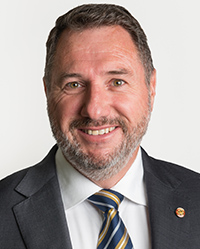
Lung Foundation Australia CEO Mark Brooke described the expanded PBS listing of KEYTRUDA as “great news” for Australians with advanced non-small cell lung cancer.
“Lung cancer remains a devastating disease and we welcome new therapies being made affordable and widely available for Australians with this cancer,” he said.
“This PBS subsidy is hugely important for patients, who previously had to self-fund the medicine or were unable to access it,” he said.